
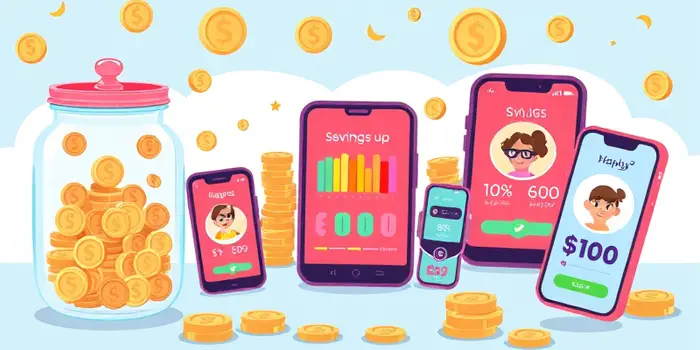
As personal finance shifts from boring spreadsheets to dynamic experiences, a new generation of apps is making saving money feel like a game. By weaving in challenges, rewards, and visual progress tracking, these tools transform mundane actions into engaging rituals. Whether you’re an experienced investor or just starting out, understanding interactive, game-like financial systems can help you meet your goals with enthusiasm.
The Rise of Gamified Finance
In the past decade, banks and fintech platforms have embraced gamification to boost user engagement and retention. By layering familiar game mechanics—such as points, levels, and leaderboards—on top of banking and budgeting functions, these services aim to nudge users toward better money habits.
- Global gamification market projected from $9.1 billion in 2020 to $30.7 billion by 2025
- Another estimate values gamification at $25.94 billion now, reaching $132.6 billion by 2032
- Banking-specific gamification worth $20.84 billion in 2025, rising to $190.87 billion by 2034
- In 2025, over 72% of consumers rely on personal finance or budgeting apps
Such explosive growth reflects a clear opportunity: making financial management satisfying enough that users return regularly, rather than avoiding their accounts.
Evidence of Better Saving Outcomes
Does gamification really move the needle on saving? The data say yes. Research shows that gamified systems boast a 75% of users meeting savings goals versus just 45% in non-gamified platforms.
Users of these interactive apps on average save about 20% more than those without game mechanics, effectively boosts saving habits by 22% compared to traditional methods. Engagement metrics reinforce the trend: customer actions on platforms can jump by 207% after adding badges, points, and progress bars, while retention improves by roughly 45%.
Major institutions also report positive effects. Bank of America’s gamified financial wellness initiatives drove a 40% improvement in budgeting behaviors and reduced reported financial anxiety. At Extraco Bank, customer education built around interactive challenges lifted conversion rates from 2% to 14%, with acquisitions soaring by 700%. These examples illustrate a true win–win: stronger outcomes for individuals and a healthy ROI for providers.
Psychology Behind the Play
Effective gamification taps into well-established behavioral science principles. Designers often refer to frameworks like Yu-kai Chou’s Octalysis to structure experiences that resonate on a human level.
- Progress bars and visual debt payoff turn abstract goals into tangible milestones
- Streak mechanics encourage commitment and consistency, raising engagement by up to 48%
- Variable rewards—coins, badges, spin-the-wheel prizes—trigger dopamine-driven motivation
- Leaderboards and anonymous peer comparisons leverage social influence for positive competition
- Custom rules and AI-tailored challenges give users autonomy and personal relevance
- Immersive city-building budgeting game narratives add a layer of fun to everyday tasks
By combining immediate feedback, social elements, and personalized challenges, gamified finance apps address common pain points like procrastination, lack of clarity, and low motivation.
Top Categories of Smart Savings Products
Smart savings solutions span multiple categories depending on focus and mechanics. Below, we explore the leading examples in each group so you can pick the right tool for your goals.
Gamified Savings Apps
Qapital lets users set automated “if-this-then-that” rules that funnel spare change into savings goals. For example, every latte purchase might trigger a $0.50 transfer, while a friend’s birthday celebration could add $5 toward a vacation fund. The combination of automation and playful triggers keeps motivation high.
Tip Yourself turns positive actions into micro-tips for yourself. Whether you finished a workout or nailed a presentation, you simply tap to reward yourself with a small deposit. Over time, these tiny boosts accumulate into meaningful savings, reinforcing good habits.
SmartyPig provides customizable digital piggy banks for specific targets—home down payments, emergency funds, or dream vacations. Users visually track progress, set milestones, and automate transfers, making goal pursuit both transparent and fun.
SaveUp rewards users with credits for debt repayments, bill payments, and regular deposits. These credits can be exchanged for chances at larger prizes, turning everyday financial discipline into a chance-based reward system.
Gamified Budgeting & Expense Tracking Apps
Fortune City transforms expense logging into a city-building simulation. Each purchase erects a building—groceries spawn supermarkets, while coffee creates cafés—giving users immediate visual feedback. Achievement badges and friend leaderboards further drive consistent tracking.
Monefy offers a streamlined expense tracker with an evolved UI that highlights category balances and spending patterns. Subtle progress visuals light up a sense of accomplishment whenever you stay under budget in a category.
Beyond Budget employs streak mechanics with up to three “Frost” points that users can spend to protect streaks when life gets in the way. This buffer respects real-world interruptions while maintaining momentum.
Gamified Investing & Wealth-Building Apps
Stash educates newcomers through gamified lessons and quizzes that unlock new investment options. Users earn badges for completing modules and are guided toward diversified portfolios as they level up.
MoneyLion integrates savings, credit tracking, and investing into unified challenges. Hit a savings target, pay your bill on time, and improve your credit score to earn points and access premium features.
CRED incentivizes timely credit card payments with coins that can be redeemed for rewards or used in mini-games. To date, users have amassed over 2.5 billion coins, yielding savings equivalent to more than $7 million USD.
Gamified Banking Platforms & Loyalty Programs
Even established banks are adding game layers. For instance, Revolut uses anonymized leaderboards to show users how their saving and spending habits compare to peers, inspiring them to improve. Extraco Bank’s gamified tutorials on new account features resulted in dramatic increases in both conversion and acquisition.
Comparison of Flagship Gamified Apps
The table below highlights core mechanics and target behaviors across three standout platforms.
Looking Ahead: Emerging Trends
The next wave of gamified finance will likely blend augmented reality, voice interaction, and wearable integrations. Imagine completing a savings challenge that unlocks an AR reward or a voice assistant reminding you of a daily streak. Community-driven tournaments and peer-to-peer challenges are also gaining traction, fostering collective accountability and shared celebration.
Artificial intelligence will further personalize experiences, suggesting micro-challenges based on your spending history and financial personality. As these innovations converge, we can expect even deeper engagement and more powerful outcomes for users and financial institutions alike.
Conclusion: Play Your Way to Prosperity
By embracing game mechanics, modern finance apps convert saving and investing from chores into challenges you look forward to. Whether you prefer strategic city-building, point-based rewards, or narrative-driven quests, there’s a gamified solution tailored to your style. Experiment with these tools, set clear goals, and track your progress visually—then savor the satisfaction of leveling up your financial life.
With the right combination of technology, psychology, and design, anyone can turn saving into an engaging habit and build lasting wealth one playful step at a time.
References
- https://www.5wpr.com/new/gamification-in-financial-literacy-trends-and-examples/
- https://www.amraandelma.com/personal-finance-marketing-statistics/
- https://www.netguru.com/blog/fintech-gamification
- https://yukaichou.com/gamification-examples/top-10-finance-apps-for-2017-from-an-octalysis-gamification-perspective/
- https://www.meniga.com/resources/gamification-in-banking/
- https://crustlab.com/blog/gamification-market-insights/
- https://www.htfmarketinsights.com/report/4381837-gamified-budgeting-apps-market