
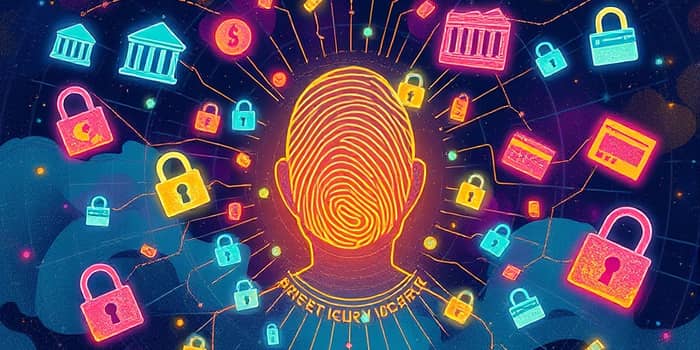
In an ever-expanding digital environment of finance, every click, login, and transaction leaves a trace. These traces form your digital financial footprint—a detailed record of your banking activities, payment methods, credit history, and online spending habits. Protecting this footprint is crucial to shielding yourself from fraud, identity theft, and reputational harm.
Core Concepts & Definitions
Your digital footprint comprises both intentional data (posts, purchases, form submissions) and unintentional data (cookies, device fingerprints, metadata). Within this landscape, your digital financial footprint is a subset directly tied to your financial identity, covering:
Examples of digital financial footprint include:
- Online and mobile banking activity
- Fintech and investment platform usage
- Stored payment methods and transaction history
- Credit scores, reports, and personal identifiers
Footprint types fall into two categories:
- Active footprint: account creations, public crypto wallets, online reviews
- Passive footprint: tracking cookies, IP logs, device metadata
Why It Matters: Risks and Consequences
High‐net‐worth individuals and executives are prime targets for cybercriminals. In 2024, financial fraud grew by over 30%, with global losses exceeding $117 billion. A comprehensive digital footprint enables threat actors to build full identity profiles, execute highly targeted spear-phishing operations, and conduct account takeovers.
Consequences of a compromised financial footprint include:
• Direct financial loss and frozen accounts
• Identity theft, new fraudulent loans or credit cards opened under your name
• Delays in background checks for employment or housing
• Reputational damage affecting business and career prospects
As cybercriminals increasingly combine large-scale data leaks, AI-driven deepfakes, and sophisticated social engineering, the stakes for protecting your digital financial trace have never been higher.
Threat Landscape & Attack Vectors
Attackers collect and weaponize information through various channels:
- Data brokers aggregating purchase and demographic data
- Public records and corporate filings
- Data breaches and credential leaks
- Social media oversharing and metadata exposure
- Tracking technologies like cookies and web beacons
Once collected, this data powers a range of attacks:
Phishing and spear-phishing campaigns referencing real transactions or employer details.
Impersonation and deepfake scams using AI-generated voices or videos to mimic trusted figures.
Credential stuffing and account takeover driven by reused passwords and leaked login data.
Synthetic identity fraud, where stolen identifiers and digital trail pieces create new fraudulent personas.
Regulatory & Legal Context
Data protection laws offer rights to control and limit the use of your personal information. Below is a summary of key regulations:
Financial institutions and fintech platforms must also adhere to sector-specific regulations and enforce strong security controls. On an organizational level, companies must implement strict demand transparency and accountability in how they collect, store, and share customers’ financial data to avoid legal exposure and reputational harm.
Key Principles for Safeguarding a Digital Financial Footprint
Protecting your financial footprint requires a layered, proactive approach. Focus on four core principles to stay ahead of evolving threats.
First, to minimize public personal data exposure, regularly audit your online presence. Search your name, review media mentions, and check corporate biographies for overshared details. Remove geotags, strip metadata from photos, and avoid posting images of cards or documents.
Second, reclaim control from data brokers and third parties by submitting deletion requests and opting out of data sales. Many brokers are legally required to erase your information upon verified request. Consider enrollment in specialized removal services if manual requests prove cumbersome.
Third, adopt a layered security approach with redundancy across all financial accounts. Enable multi-factor authentication (MFA) using hardware tokens or authenticator apps. Use a reputable password manager to generate and store unique credentials. Monitor account activity and set up real-time alerts for suspicious transactions.
Fourth, cultivate secure digital habits and tools. Keep software and apps updated to patch vulnerabilities promptly. Connect only via secure networks and consider a privacy-focused browser or VPN for sensitive transactions. Finally, compartmentalize your digital identities by using dedicated email aliases, separate devices for high-risk tasks, and distinct profiles for work and personal finance.
By integrating these principles into your daily routine, you establish robust defenses against the growing array of financial cyberthreats.
In an age where every transaction adds to a vast, interconnected trail, vigilance and proactive management of your digital financial footprint are non-negotiable. Adopt these strategies today to secure your assets, protect your identity, and preserve your peace of mind in an increasingly digital world.
References
- https://constella.ai/the-digital-executive-how-to-protect-your-personal-and-professional-digital-footprint/
- https://www.cyber.gc.ca/en/guidance/digital-footprint-itsap00133
- https://www.nccgroup.com/securing-your-digital-footprint-best-practices-for-online-safety/
- https://www.eset.com/blog/en/home-topics/privacy-and-identity-protection/watch-steps-manage-digital-footprint/
- https://levelblue.com/blogs/security-essentials/best-ways-to-reduce-your-digital-footprint-now
- https://bitwarden.com/blog/how-to-protect-your-digital-footprint/
- https://www.morganstanley.com/articles/digital-footprint-protection-strategies
- https://www.dbllawyers.com/data-privacy-compliance-safeguarding-your-digital-footprint/