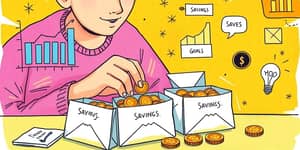
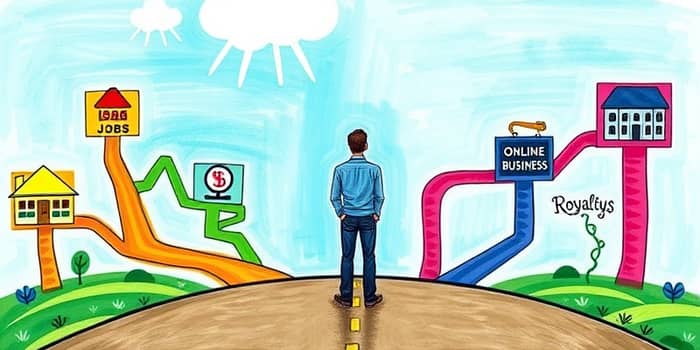
In today’s shifting economic landscape, relying on a single source of income can leave you vulnerable to unexpected events. By spreading your cash flows across various activities, you can unlock greater stability and accelerate your journey towards major financial goals. This article explores financial security, resilience, and wealth-building speed, offering actionable guidance and real-world examples to help you craft a robust income portfolio that withstands downturns and fuels long-term growth.
As traditional safety nets erode—from pension cuts to shifting corporate policies—individuals must take proactive control of their earnings. Developing complementary revenue streams is not a sign of distrust in employers, but a strategy to embrace personal empowerment and financial adaptability. With careful planning, you can assemble a mix of incomes that supports both your current lifestyle and future aspirations.
Why Income Diversification Matters
Economic volatility, from market fluctuations to employment uncertainties, has highlighted the risks of depending solely on one paycheck. A diversified approach protect against job loss and downturns, ensuring you maintain momentum even when one channel falters. Additionally, tapping into multiple streams can reduce anxiety and give you greater autonomy over your financial future.
Mirroring institutional strategies, households are now shifting beyond single-asset dependencies. Just as major investors rebalance away from a rigid 70/30 stock-bond mix, individuals must embrace multiple, distinct sources of income to navigate sticky inflation, policy shifts, and labor-market changes with confidence.
Beyond numbers, diversification fosters a mindset shift. When you know multiple streams are at work, you feel more agency in your career path, unafraid to negotiate, innovate, or pivot into new ventures. This psychological buffer can be just as valuable as the monetary cushion.
Types of Income Streams
Diversification begins with a clear map of potential streams. Each category carries its own time, capital, risk, and correlation characteristics. Below is a comprehensive overview:
- Employment-based income: Your primary salary or wages, part-time roles, and overtime opportunities form the active, bedrock support for living expenses.
- Freelancing and side hustles: Consulting, gig-economy tasks, creative services, and coaching can be launched quickly but may require balancing with core job commitments.
- Small businesses and entrepreneurship: From e-commerce to local services, these ventures offer high upside and scalability yet come with greater risk and effort.
- Investment income: Dividend stocks, bond yields, and covered-call strategies provide passive cash flows but demand careful selection and monitoring.
- Real estate income: Rental properties and REITs deliver semi-passive returns, blending regular cash flow with potential appreciation.
- Intellectual property and digital assets: Royalties from books, online courses, music, or software licensing continue long after the creation effort.
- Platform-enabled asset rentals: Monetize underused assets—rooms, cars, tools—through sharing platforms for extra income without full business setup.
- Alternative financial income: Liquid alternatives, commodities, and digital assets can act as niche diversifiers for advanced portfolios.
Comparing Active and Passive Income
Understanding the tradeoffs between streams is akin to managing a diversified portfolio. Active streams demand ongoing engagement, while passive options require upfront work or capital. Align your choices with personal bandwidth, risk tolerance, and long-term goals.
For example, a consultant may earn active income through billable hours while receiving dividends from equity investments. Over time, these passive flows can rival or exceed active fees, allowing more freedom to pursue passion projects or reduce workload.
Strategies to Build Your Income Portfolio
Effective diversification demands deliberate planning and disciplined execution. Start by assessing your strengths, resources, and risk appetite. Then craft an allocation that balances stability, growth, and effort.
Begin by documenting all current and potential income sources, assigning each a grade based on time requirements, upfront cost, and volatility. This matrix reveals gaps and low-hanging opportunities. Then set clear milestones—such as first $500 monthly from a side hustle—before moving onto more ambitious targets.
- Assess your skills, time availability, and financial resources carefully before committing.
- Research markets, platforms, and legal requirements to validate each idea.
- Allocate capital and hours based on risk-adjusted income potential and stability and personal priorities.
- Start small with pilot projects, then scale successful streams methodically.
- Diversify across lowly correlated diversification opportunities to maximize resilience during downturns.
- Leverage automation and delegations to transform active tasks into more semi-passive income once stabilized revenue sources.
As you implement each step, keep detailed records of income, expenses, and hours. A simple spreadsheet or personal finance app can reveal which streams are booming and which drag on your time. Use this data to reallocate focus and capital intelligently.
Maintain and Monitor Your Streams
Building streams is only half the battle; ongoing oversight ensures they continue to perform. Establish simple dashboards or tracking tools to measure cash flow, time spent, and return on investment for each stream. Regular reviews—monthly or quarterly—help you reallocate resources to the most promising opportunities.
Stay informed about macroeconomic trends, interest rate shifts, and policy changes. When inflation spikes or markets rout, certain streams may underperform. A nimble approach, like adjusting bond duration or scaling back a small business, can protect your overall income mix.
Automated alerts and periodic check-ins can save you from unpleasant surprises. Set thresholds to notify you if any stream dips below target performance. Likewise, celebrate milestones when a new channel hits a predefined goal—reinforcing positive momentum.
Embrace continuous improvement: reinvest profits into higher-yield channels, refine digital products with user feedback, or explore fresh side hustles to replace stagnant activities. This iterative mindset mirrors how top investors rebalance portfolios to optimize risk-adjusted returns.
Conclusion
Diversifying your income streams is not about fragmenting your focus; it’s about creating a robust support system that adapts to change. By combining active work, investments, entrepreneurship, and innovative asset rentals, you build a personal ecosystem where each stream backs up the others.
Remember, the journey begins with a single step: pick one new stream, research it thoroughly, and commit to testing it for a defined period. As you accumulate wins and learn from setbacks, you’ll develop a powerful momentum that drives you toward greater financial freedom and peace of mind.
This journey is not linear; expect periods of trial and error. However, each experiment teaches valuable lessons in risk management, market demands, and personal strengths. Celebrate every success, however small, and remain flexible as your financial tapestry evolves.
Embrace the challenge of diversification today, and unlock the potential for a more resilient, prosperous tomorrow.
References
- https://www.franklintempleton.com/articles/2025/multi-asset/staying-nimble-and-diversified-capitalizing-on-income-opportunities-in-2025
- https://www.lfcu.org/news/managing-money-credit/the-importance-of-having-multiple-streams-of-income/
- https://www.blackrock.com/us/financial-professionals/insights/investment-directions-fall-2025
- https://www.entrepreneur.com/money-finance/smart-tax-moves-if-you-have-multiple-income-streams/496375
- https://www.allianzgi.com/en/insights/outlook-and-commentary/2025-a-year-when-diversification-matters
- https://www.gripinvest.in/blog/benefits-of-building-multiple-income-streams
- https://www.morganstanley.com/ideas/2025-market-outlook-portfolio-diversification
- https://www.cnb.com/personal-banking/insights/create-multiple-streams-of-income.html
- https://www.ishares.com/us/insights/investment-directions-fall-2025
- https://atbim.atb.com/insights/the-benefits-of-diversified-income-in-your-portfolio/
- https://www.etftrends.com/etf-strategist-content-hub/why-diversification-winning-2025/
- https://www.navyfederal.org/makingcents/investing/15-passive-income-idea-to-generate-cash-flow.html
- https://bentoakcapital.com/investment-diversification-strategies-why-theyre-working-again-in-2025/
- https://www.nepc.com/nepcs-2025-annual-investment-letter-diversification-in-the-face-of-fomo-staying-home-while-the-party-goes-on/