
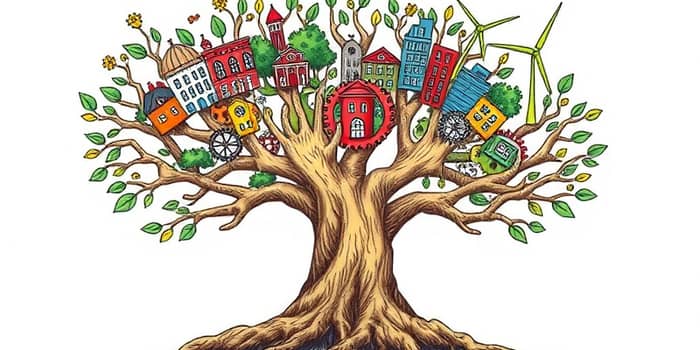
Strategic philanthropy transforms giving into a powerful force for lasting change. By aligning resources with clear goals and rigorous measurement, donors can build a legacy that endures across generations.
Understanding Strategic Philanthropy vs Traditional Giving
Strategic philanthropy is defined by a concrete, evidence-based strategic plan guiding every grant. It prioritizes long-term measurable social impact over one-off donations driven by emotion.
- Traditional philanthropy: reactive gifts based on appeals or proximity.
- Strategic philanthropy: proactive, mission-driven grants with defined outcomes.
Iconic legacies—from Rockefeller’s national parks to Carnegie’s public libraries—stemmed from sustained, systematic giving rather than spontaneous charity.
Aligning Philanthropy with Your Values and Legacy
Whether personal or corporate, strategic philanthropy begins with motivation.
- Personal: desire to give back, steward family wealth, uphold faith or values.
- Corporate: strengthen brand, engage employees, mitigate social and environmental risks.
Legacy dimensions include material endowments, institutional programs, and cultural traditions that shape future decision-making.
Framework for Building a Lasting Legacy
A step-by-step process helps translate vision into enduring impact. Follow these seven milestones:
- Clarify purpose, values, and long-term vision
- Define focus areas and scope
- Analyze context and needs
- Set SMART goals with milestones
- Choose strategic giving approaches
- Design resource allocation strategy
- Implement tactics, partnerships, and measure progress
Step 1: Clarify Vision and Values
Begin by asking which global or local problems feel intolerable if left unaddressed. Identify core values—such as equity, environmental stewardship, or educational access—that your philanthropy must embody.
Envision a specific end-state: eradicating extreme poverty, reducing factory farming by 90%, or building early pandemic detection systems. This becomes the beacon guiding your legacy.
Step 2: Define Focus Areas
Concentrate on one to three primary causes to avoid dilution. Potential areas include health, education, justice reform, environmental conservation, or cultural enrichment. Narrowing focus amplifies depth of impact.
Step 3: Analyze Context and Needs
Conduct a landscape scan to assess the problem’s scale, root causes, existing solutions, funding gaps, and institutional barriers. This research ensures your grants are additional, not duplicative.
Identify key stakeholders: community leaders, NGOs, government agencies, and fellow funders. Mapping the ecosystem informs where strategic injections can catalyze systemic change.
Step 4: Set SMART Goals
Translate vision into specific, measurable, achievable, relevant, and time-bound objectives. For example, increase rural literacy from 65% to 85% in five years or cut malaria deaths by 40% within a decade. Include interim milestones to track progress.
Step 5: Choose Strategic Approaches
Evidence-based strategies fund interventions proven effective through rigorous evaluation, targeting high cost-effectiveness. Alternatively, a hits-based model allocates a portfolio of speculative, high-risk grants where a few successes can yield transformative impact.
A balanced legacy portfolio might combine reliable, life-saving health programs today with bold investments in long-range challenges like AI safety or criminal justice reform.
Step 6: Allocate Resources Strategically
Decide on annual giving levels—often a percentage of assets or revenue—and choose between a perpetual endowment funding model or a spend-down approach. Select asset types (cash, appreciated securities) and funding purposes (operations, capital projects, policy advocacy).
Step 7: Implement Tactics and Partnerships
Effective tactics range from grants and capacity building to coalition convening and public awareness campaigns. Seek partners such as evidence-based evaluators, community foundations, and local NGOs to amplify impact.
By investing in capacity building and policy advocacy, donors strengthen local leadership and ensure initiatives continue beyond initial grants.
Selecting the Right Philanthropic Vehicle
Choose a giving vehicle that aligns with your legacy horizon, control preferences, and tax planning. Common structures include donor-advised funds (DAFs), private foundations, philanthropic LLCs, and charitable trusts.
Estate Planning and Next-Generation Involvement
Incorporate philanthropy into wills, trusts, and succession plans to guarantee continuity. Draft a family governance and succession planning charter that outlines decision rights, investment policies, and giving criteria.
Engage younger generations through mentorship, board participation, and collaborative grantmaking to transfer values and sustain family philanthropy.
Measuring Impact and Ensuring Longevity
Establish robust monitoring systems with data-driven monitoring and evaluation to track outcomes against goals. Regular learning reviews allow adaptation of strategies, ensuring resources continuously flow to the highest-leverage opportunities.
Navigating Pitfalls and Trends
Beware of spreading grants too thin, neglecting measurement, or overlooking stakeholder perspectives. Stay attuned to trends like the rapid growth of DAFs, corporate ESG commitments, and the rise of collective impact models.
Conclusion: Crafting Your Enduring Philanthropic Legacy
By following a strategic, values-driven framework, donors can shift from writing checks to shaping lasting institutions and norms. Whether funding global health interventions or supporting social justice reforms, intentional philanthropy builds a legacy that resonates across time.
Commit today to a path of purposeful giving, and watch your legacy flourish generations into the future.
References
- https://www.jfunders.org/news/715746/What-Does-Strategic-Philanthropy-Mean.htm
- https://www.optimy.com/blog-optimy/corporate-philanthropy
- https://imana.org/what-is-strategic-philanthropy/
- https://www.impactfulgiving.in/post/philanthropy-framework-a-guide-to-strategic-and-impactful-giving
- https://doublethedonation.com/strategic-philanthropy/
- https://prosper-strategies.com/nonprofit-strategic-plan-example/
- https://boldergroup.com/insights/blogs/strategic-philanthropy-bolder-group/
- https://hudsonferris.com/resources/15-business-philanthropy-examples-that-drive-social-change/
- https://foxphilanthropic.com/what-is-strategic-philanthropy/
- https://www.givinga.com/insights/blog/5-corporate-philanthropy-examples-inspire-csr-strategy
- https://ssir.org/articles/entry/strategic-philanthropy-in-defense-of
- https://ghcf.org/articles/strategic-philanthropy-for-every-donor/
- https://www.bradleyimpactfund.org/strategic-philanthropy
- https://360matchpro.com/corporate-philanthropy-examples/
- https://woodgundyadvisors.cibc.com/fraser-wilson/blog/33335037-Strategic-Philanthropy-Navigating-Changing-Giving-Trends