
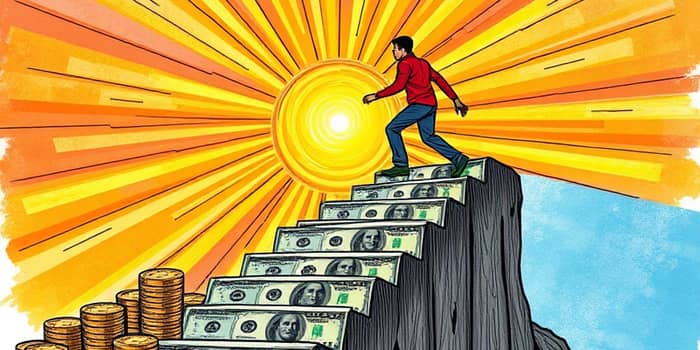
Debt can feel like a heavy anchor holding you back from the life you deserve. Yet with a clear strategy, every payment becomes a step toward freedom. In this guide, you’ll discover how to build a personalized roadmap that turns overwhelming balances into manageable milestones.
Define the Goal and Why a Plan Matters
A debt repayment plan is a structured approach to paying off what you owe—credit cards, personal loans, auto loans, student loans, medical bills, and more—while staying current on all obligations and minimizing interest.
When you commit to a plan, you unlock:
- Faster payoff and less interest when paying more than minimum payments.
- Less stress and clearer financial priorities.
- Easier avoidance of new debt thanks to intentional cash flow.
Step 1 – Get a Complete Picture of Your Debt
Before you take any action, gather the following details for each debt:
- Creditor name (e.g., Visa, auto lender, student loan servicer).
- Current principal balance and annual interest rate (APR).
- Minimum monthly payment and due date.
- Status: current or past due.
- Category: high-interest credit cards, personal loans, auto loans, student loans, medical bills.
Once you have this data, create a master list in a spreadsheet or notebook. This will serve as the foundation for choosing your strategy and tracking your progress.
Step 2 – Evaluate Your Budget and “Extra” Payment Capacity
Next, map your cash flow. Begin with your net monthly income, then list every expense:
- Net monthly income.
- Fixed expenses: housing, utilities, insurance, minimum payments.
- Variable expenses: groceries, transportation, entertainment, subscriptions.
Subtract expenses from income to reveal your free cash. Even a modest amount above minimums can drastically reduce interest and payoff time. Look for areas to trim—dining out, unused subscriptions—or earmark extra lump sums from windfalls like tax refunds or bonuses directly toward debt.
Step 3 – Decide on a Repayment Strategy
With your numbers in hand, choose a method that fits your personality and goals. The right approach is the one you can stick with.
Debt Snowball Method
The Snowball method focuses on paying debts from smallest balance to largest balance, regardless of interest rate. You:
- Make minimum payments on all debts.
- Put all extra money toward the smallest-balance debt.
- Once it’s paid off, roll its payment into the next smallest debt.
Pros: Quick wins can boost motivation and momentum and simplify your ledger as accounts close. Cons: You may pay slightly more interest over time compared to interest-focused methods.
Debt Avalanche Method
The Avalanche method targets debts from highest APR to lowest. Steps:
- Maintain all minimum payments.
- Direct extra cash toward the highest-interest debt first.
- After payoff, shift its payment to the next-highest rate.
Pros: Minimizes total interest paid and often shortens payoff time. Cons: Early progress may feel slower if your highest-rate debt also carries a large balance.
Debt Consolidation Method
Consolidation merges multiple debts into one new loan or line of credit at a potentially lower rate. Common forms include:
- Personal consolidation loans to combine credit cards and personal loans.
- Balance transfer credit cards with low or 0% introductory APR.
- Home equity loans or HELOCs (use caution: your home becomes collateral).
Pros: Simplified payments and possibly lower interest rates. Cons: Fees, stricter credit requirements, and the risk of accumulating new balances if spending habits aren’t addressed.
Additional Repayment Tactics
Beyond choosing a core strategy, these tactics accelerate your journey:
Pay more than the minimum: Even an extra $50 each month chips away at principal, cutting months and interest. Automate a fixed extra amount to avoid relying on willpower alone.
Increase payment frequency: Switch to biweekly or weekly micropayments. Reducing the average daily balance can save interest and keeps momentum alive as you see frequent reductions.
Choosing the Best Strategy for You
There is no one-size-fits-all plan. Assess your personality and financial picture:
- If you need quick wins and emotional boosts, the Snowball method may be your ally.
- If you’re analytical and driven to save every dollar, Avalanche will maximize interest savings.
- If managing multiple payments feels daunting or you qualify for a low-rate loan, consider consolidation—but pair it with disciplined repayment tactics.
Ultimately, success comes from consistency. Track your progress, celebrate milestones, and adjust when life changes. With every deliberate payment, you’re not just erasing a number—you’re regain financial control and confidence and laying the foundation for a future unburdened by debt.
References
- https://umassfive.coop/its-money-thing/strategies-debt-repayment
- https://www.discover.com/personal-loans/resources/consolidate-debt/payoff-debt-snowball-vs-avalanche/
- https://www.equifax.com/personal/education/debt-management/articles/-/learn/paying-off-debt-strategies/
- https://www.wellsfargo.com/goals-credit/smarter-credit/manage-your-debt/snowball-vs-avalanche-paydown/
- https://merchantsbankal.bank/pay-off-debt-strategies-smart-repayment/
- https://www.experian.com/blogs/ask-experian/avalanche-vs-snowball-which-repayment-strategy-is-best/
- https://www.dupaco.com/2025/02/14/how-to-prioritize-debt-repayment-7-strategies-that-work/
- https://www.fidelity.com/learning-center/personal-finance/avalanche-snowball-debt
- https://www.navyfederal.org/makingcents/credit-debt/debt-repayment-strategies.html
- https://commons.lib.jmu.edu/honors201019/699/
- https://www.youtube.com/watch?v=kNQAXUeDS6c
- https://dfpi.ca.gov/news/insights/three-steps-to-managing-and-getting-out-of-debt/
- https://www.bairdwealth.com/insights/wealth-management-perspectives/2022/08/5-strategies-for-paying-off-credit-card-debt/
- https://bettermoneyhabits.bankofamerica.com/en/debt/strategies-for-paying-debts