
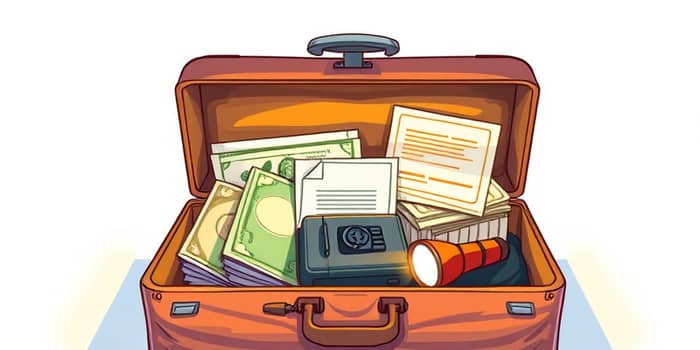
Life is unpredictable, and financial emergencies can appear without warning. A well-prepared individual doesn’t wait for disaster to strike. Building a robust financial emergency kit ensures you’re ready the moment you face a sudden expense or crisis.
From job loss to medical bills, an emergency kit combines cash reserves, key documents, and critical contact information in one accessible place. This article will guide you step by step toward assembling and maintaining your own kit for genuine peace of mind.
Why a Financial Emergency Kit Matters
Studies show that nearly 1 in 4 Americans have no emergency savings at all, leaving them vulnerable to unexpected costs. Without a plan, many rely on high-interest debt—often at rates above 20%—to cover urgent bills.
A comprehensive kit helps you:
- Avoid predatory loans and high-interest credit cards.
- Recover quickly from income shocks such as job loss.
- Access essential records during disasters or power outages.
Defining Your Emergency Fund
An emergency savings fund is a stash of cash reserved exclusively for unplanned expenses—think car repairs, medical co-pays, or utility failures. Financial experts agree that the ideal amount varies by personal situation and risk tolerance.
General benchmarks are:
- 3 months of essential living expenses for those with stable, replaceable jobs.
- 6 months if you have dependents, a mortgage, or volatile income.
- 9 months or more for variable-income households or specialized roles.
Tiered Recommendations for Savings Goals
Set realistic, tiered milestones to build confidence and maintain momentum. For many, starting small leads to long-term success.
Building and Funding Your Cushion
The most effective approach combines automatic contributions and disciplined account management:
- Open a separate savings or money market account dedicated to emergencies.
- Set up weekly or monthly transfers—aim for at least 10% of income.
- Track progress monthly and adjust contributions as your budget allows.
For example, with $2,500 in monthly expenses, saving 10% ($250/month) will build a 3-month cushion of $7,500 in just 30 months. If you commit to $20 per week instead, you’ll accumulate $1,040 per year—a solid head start on your starter goal.
Assembling Critical Documents and Cash
Beyond digital records, a robust kit includes physical cash reserves and hard-copy documents stored securely:
Financial emergencies can coincide with power outages or bank system failures. Keeping at least $500–$1,000 in small bills ensures you can purchase essentials when electronic payments fail.
Organize your kit in a fireproof, waterproof safe. Key items include:
- Personal IDs: birth certificates, driver’s licenses, Social Security cards.
- Financial statements: bank account numbers, credit card and loan information.
- Legal documents: marriage or divorce decrees, property deeds, wills.
- Insurance policies: health, auto, home/renter’s, and life insurance details.
- Contact list: trusted family, financial advisors, and insurance agents.
Maintaining and Updating Your Kit
A financial emergency kit isn’t a one-and-done project. Commit to a semiannual review:
Reconcile account balances, swap out expired IDs, update policy numbers, and replenish cash if you’ve used it. Automate reminders in your calendar so this process becomes routine.
If you tap your fund, treat it like a bill: resume contributions immediately to restore the balance. Building resilience means bouncing back quickly.
Measuring Progress and Staying Motivated
Track your progress visually. A simple chart or app can show your balance rising each month. Celebrate milestones:
- Reaching the $500 starter goal.
- Crossing the 3-month buffer threshold.
- Hitting the six-month safety net.
Share achievements with a trusted friend or partner. Accountability partners can encourage you when motivation dips.
Final Thoughts: Prepared Today, Protected Tomorrow
Building a financial emergency kit transforms anxiety into confidence. With liquid savings, tangible documents, and essential cash at the ready, you’ll navigate life’s surprises without derailing your future.
Start today: open that dedicated savings account, gather your most important papers, and stash a modest sum of cash. This simple act sets the foundation for long-term stability and lasting peace of mind.
References
- https://kapoorfinancefocus.com/2022/12/03/financial-emergency-kit/
- https://www.bankrate.com/banking/savings/emergency-savings-report/
- https://www.peakefederal.com/2025/08/20/prep-now-stress-less-4-essentials-to-build-a-financial-emergency-kit/
- https://www.nerdwallet.com/banking/learn/emergency-fund-calculator
- https://learn.cypruscu.com/emergency-financial-first-aid-kit
- https://www.tiaa.org/public/learn/financial-education/building-an-emergency-fund
- https://hawaiistatefcu.com/financial-preparedness-for-natural-disasters/
- https://www.fidelity.com/viewpoints/personal-finance/save-for-an-emergency
- https://investor.vanguard.com/investor-resources-education/emergency-fund
- https://onlinebanking.53.com/content/fifth-third/en/personal-banking/planning/financial-calculators/emergency-fund-calculator.html
- https://www.wellsfargo.com/financial-education/basic-finances/manage-money/cashflow-savings/emergencies/
- https://www.usbank.com/financialiq/manage-your-household/personal-finance/how-to-build-emergency-fund.html